
Wool vs. Cotton vs. Linen: Comparing Natural Fabrics for Upholstery
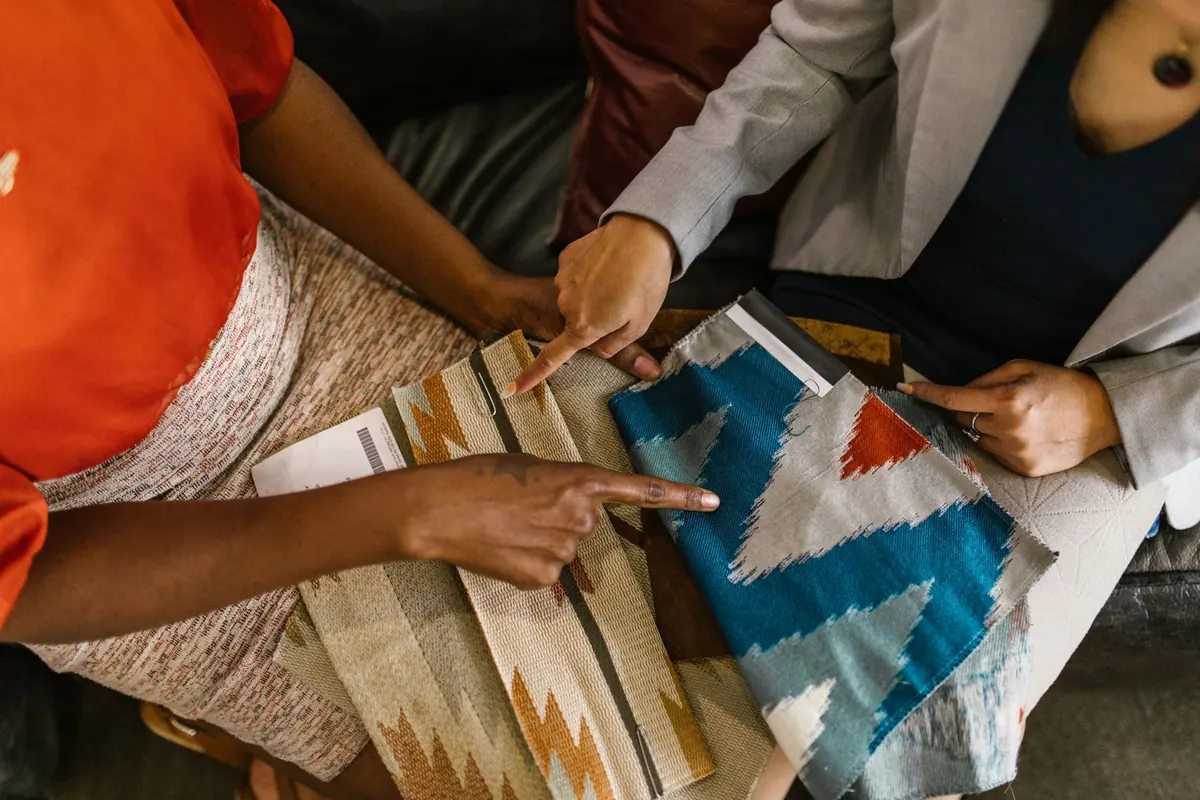
You have the shape, the frame, maybe the colour. Then the swatch book opens and the choice comes down to a fibre you cannot quite picture in a year's time: how it will feel on a cold morning, what happens when someone sets down a mug of tea on the arm, and whether that pale oatmeal weave still looks generous four winters from now.
Wool, cotton and linen are the three natural fibres most upholsterers reach for, and each behaves quite differently once it is wrapped around a cushion. None is better in the abstract. The useful question is which one suits your room, your household and your tolerance for maintenance.
What the fibre actually decides
Before comparing, separate the fibre from the cloth. The yarn, the weave, the backing and the filling have as much influence on how a sofa performs as the raw material does. A tight plain weave in cotton can outlast a loose, slubby linen, and a flimsy wool blend can pill where a sturdy cotton will not.
That said, the fibre sets the personality: how it handles light, how it responds to weight and friction, how it ages, and how forgiving it is when something spills.
Wool: resilient, warm and quietly forgiving
Wool is the fibre that springs back. Its crimped structure gives it natural bounce, so a wool-covered seat tends to recover its shape after you stand up rather than holding the dent. It takes dye deeply, which is why wool colours stay rich, and it sheds dirt and resists moisture better than most naturals, partly because of the lanolin traces left in the fibre.
Texture is where wool earns its keep. It can be crisp and tailored, soft and brushed, or nubby and tweedy. It feels warm in winter without being clammy in summer, and it is quieter underfoot and under hand than cotton.
Where wool struggles
Heat, moisture and agitation cause wool to felt and shrink, so it is a poor candidate for anything you want to machine wash. Loose, low-twist wool weaves can fuzz or pill in high-wear spots such as seat fronts and armrests. And it usually costs more than cotton, which puts it out of reach for some projects.
Caring for wool upholstery
- Vacuum weekly with a brush attachment and low suction to lift dust before it works into the weave.
- Blot spills immediately with a clean, dry cloth, working from the outside of the stain inwards.
- Use cool water rather than hot, and never scrub, which drives the fibres together.
- For anything set or greasy, call in a specialist upholstery cleaner rather than experimenting.
Cotton: the easygoing all-rounder
Cotton is soft, breathable and takes colour and print beautifully, which is why it dominates the market. It is also usually the most affordable of the three, and the easiest to live with day to day. A well-woven cotton velvet or a sturdy cotton canvas can look far more expensive than it is.
Its weakness is elasticity. Cotton has little natural stretch, so plain-weave cotton on a heavily used seat can stretch and bag over time. It is also less abrasion-resistant than wool or linen, and it will fade in strong direct sunlight.
Look for long-staple cotton where you can afford it — it is stronger, smoother and less likely to pill. Better still, consider a cotton blended with linen, viscose or a small amount of synthetic fibre, which adds durability without losing the natural hand.
Care is straightforward. Many cotton covers are removable and washable, though you should check the label and expect some shrinkage. Rotate and plump cushions weekly, vacuum regularly, and treat spills with a mild detergent solution tested first on a hidden area.
Linen: character, crispness and a wrinkle habit
Linen comes from flax, and its long fibres make it the strongest of the three when wet. It has a dry, cool hand and a subtle sheen that softens with age rather than pilling. The slubs and irregularities people either love or dislike are inherent to the fibre, not flaws.
What linen does not have is memory. It creases where you sit and stays creased, so a linen sofa will always look relaxed rather than pristine. Abrasion resistance is good in a tight weave, but at seams and piped edges the lack of stretch can cause fraying over the years. It is typically the priciest of the three, though a linen-cotton blend gives much of the look for considerably less.
Keep it out of prolonged direct sun, which will fade it, and treat it as you would wool: blot, do not rub, and use a professional cleaner for anything stubborn.
Side by side
- Durability: wool and linen lead for resilience and abrasion; cotton trails unless tightly woven or blended.
- Texture: wool is warm and tailored, cotton is soft and smooth, linen is dry and textural.
- Cost: cotton is generally the most affordable, wool sits in the middle, linen at the top — though weave and finish can upend that order.
- Care: cotton is the most forgiving and often washable; wool and linen want gentle handling and professional help.
- Ageing: wool keeps its shape, cotton may bag, linen softens and creases in equal measure.
Weaves, blends and the things that wear out first
When a fabric is rated for upholstery, the figure quoted is usually a rub count from a standard abrasion test. It is a useful signal, but it describes the cloth, not your sofa. Ask for the rub count and the composition together, and remember that a heavy domestic weave is a different proposition from one intended only for occasional chairs and cushions.
Then look at what actually fails. Cushion foam flattens. Seams split. Sunlight fades one side of a sofa and not the other. Pet claws, denim rivets and keys do more damage to upholstery than the fibre ever will. If your household includes any of those, a tight weave with a bit of blending is a wiser bet than a delicate pure fibre.
Choosing for your own room
Match the fibre to the life the furniture will lead. For a busy family room, a tight-weave cotton or a cotton-linen blend in a mid-tone is the sensible, forgiving choice, ideally with removable covers. For a formal sitting room used a few times a year, linen's creases and crispness are part of the charm. For a study chair or a room that feels cold for half the year, wool is hard to beat.
Order large swatches rather than relying on a screen, and live with them for a week. Pin them where the light falls, sit on them, spill a little water on them, and check the reverse for composition and cleaning instructions. Two final questions for the maker: are the covers removable, and is the fabric dry-clean only? The answers will tell you more about the next ten years than any swatch photo can.
Photo: RDNE Stock project / Pexels